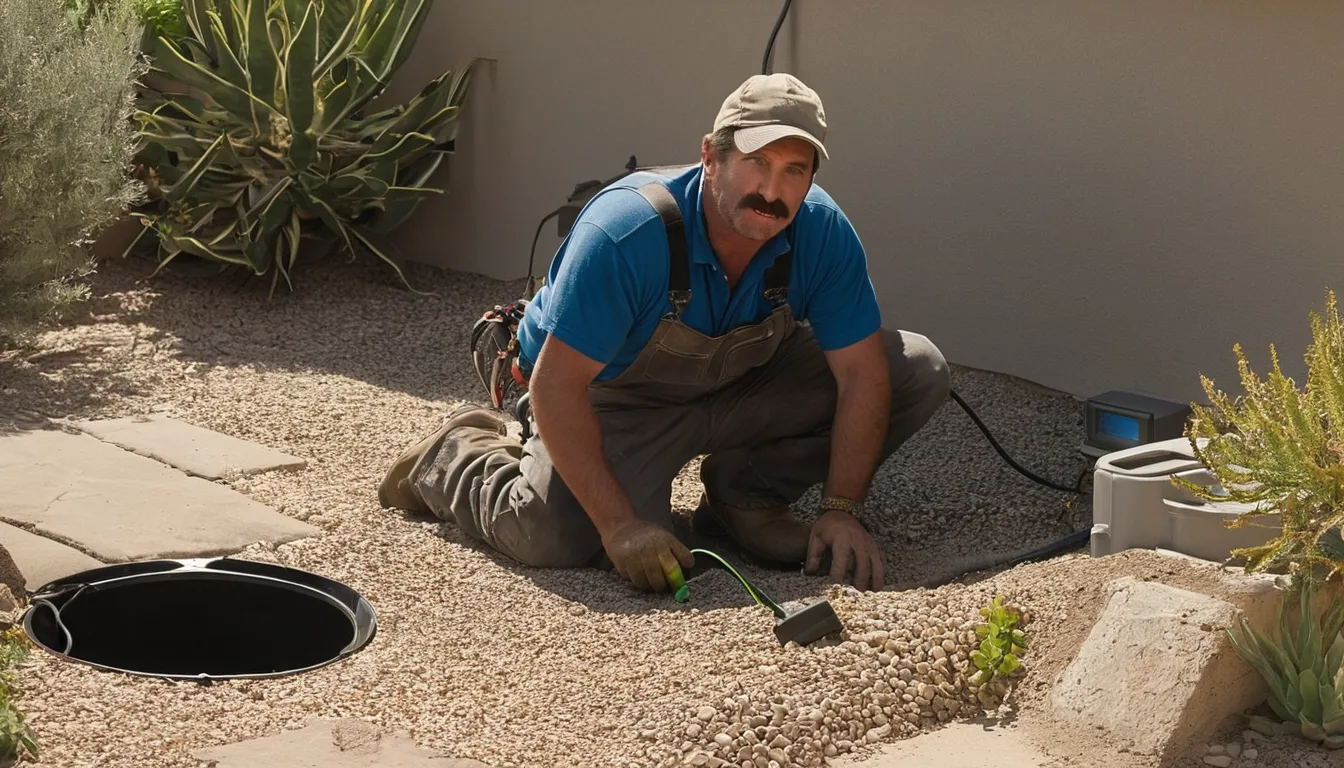
Sewer Line Repair Services in Tucson
Get your sewer line checked by a provider
Your sewer line is the single pipe that carries every bit of wastewater from the house to the city main or septic system. When it cracks, sags or fills with roots, every drain in the home starts to suffer. Faucetsite Plumbing is a referral service that connects homeowners in the Tucson area with independent providers who inspect and repair sewer lines. The provider you hire does the work.
This page covers what to do when sewage backs up, the warning signs of a failing line and the reasons lines fail in this region. It also explains how providers diagnose the problem and the repair options they may suggest. Typical U.S. cost ranges and the questions to ask before you sign anything are included, so you can plan a larger repair around your family's routine.
Sewage Coming Up? Protect Your Family First
If wastewater is rising in a tub, shower or floor drain, stop using water everywhere in the house. Every flush or load of laundry adds more to the backup. Keep children and pets out of the area, because sewage carries bacteria. Open a window for air, and wear gloves if you need to move anything nearby.
A sewer line works like the single exit from a crowded stadium. When that exit is blocked, everyone backs up behind it, no matter which seat they came from.
Warning Signs of a Failing Line
Sewer problems tend to build slowly. Watch for these clues:
- Several drains running slowly at the same time
- Toilets that gurgle when a sink or tub drains
- Water rising in the shower when the toilet is flushed
- Sewage smells inside or in the yard
- A soggy or unusually green patch of lawn over the line
One slow sink is usually a local clog. Trouble in several fixtures at once points to the main line.
Why Sewer Lines Fail Here
Roots Looking for Water
In a dry climate, tree and shrub roots go hunting for moisture. A tiny crack in a sewer joint gives off moisture, and roots grow toward it. Once inside, they spread like a net and catch everything that passes.
Shifting Soil and Storms
Dry ground shrinks, then heavy monsoon rain soaks it fast. That cycle can shift a buried pipe and create a low spot, called a belly, where waste settles. Storm water that sneaks in through a loose cleanout cap can also overload the line.
Age and Material
Older homes may have clay or cast iron pipe that cracks or corrodes. Newer subdivisions usually use plastic pipe, which holds up well but can still separate at joints if the ground settles.
How Providers Find the Problem
Most providers start with a camera inspection. A small waterproof camera goes into the line through a cleanout, and the provider watches the video on a screen. You can ask to see it. The camera shows roots, cracks, bellies and the depth and location of the damage.
Some providers also run a locator to mark the problem spot from above ground. That tells you whether the damage sits under the yard, the driveway or the slab.
Repair Options Providers May Suggest
Clearing and Cleaning
If the pipe is sound but full of roots or buildup, cutting the roots and flushing the line with hydro jetting may be enough for now.
Spot Repair
A single broken section can often be dug up and replaced. This works well when the rest of the line is in good shape.
Trenchless Lining or Bursting
Some providers can repair the line from the inside with a resin liner or pull new pipe through the old one. These methods mean less digging, which matters when the line runs under landscaping or concrete.
Full Replacement
When the line is badly damaged along most of its length, replacing it may cost less over time than repeated repairs.
Permits and Property Lines
Sewer work often needs a permit, and the provider usually pulls it. Ask who is responsible for which part of the line. In many places the homeowner owns the pipe up to the connection at the city main. The provider can tell you where that boundary sits for your home.
Fitting the Work Into Family Life
A bigger sewer repair can leave the house without drains for part of a day or longer. Ask the provider how long each stage will take and whether one bathroom can stay usable. Some families plan the work for a weekday when kids are at school, or book a night with relatives.
Questions to Ask the Provider
- Can I see the camera footage of the damage?
- Which repair method do you suggest, and why that one?
- Is the permit included in the price?
- Who restores the yard or concrete afterward?
- What warranty comes with the repair?
A trustworthy answer points to the video and explains the choice plainly. A red flag is anyone who insists on full replacement without showing you footage, or who asks for full payment before the job starts.
Ready to Get It Checked?
Request a callback to check provider availability, or use the request form to describe the signs you have noticed.
What's Included
Camera Line Inspection
A small camera shows roots, cracks and low spots so you see the problem before choosing a repair.
Root and Clog Removal
Cutting roots and flushing buildup from the main line to restore flow when the pipe itself is sound.
Trenchless Repair Options Offered
Lining or pipe bursting that repairs the line with less digging under yards, driveways and landscaping.
Line Replacement
Replacing badly damaged sections or the full line, including permits and backfill where the provider handles them.
What Sewer Line Repair Usually Costs
These figures are typical U.S. ranges. Your price depends on pipe depth, length, material, access and the repair method. Get a written quote that lists permits and site restoration before any digging starts.
| Service | Typical U.S. range | Notes |
|---|---|---|
| Camera inspection | $150 to $500 | Often credited toward the repair |
| Main line clearing or root cutting | $150 to $600 | Hydro jetting is usually more |
| Spot repair of one section | $1,000 to $4,000 | Depth and access drive the cost |
| Trenchless lining | $80 to $250 per foot | Less digging, more equipment |
| Pipe bursting | $60 to $200 per foot | Needs access pits at each end |
| Full line replacement | $3,000 to $12,000 | Concrete or slab work adds cost |
How It Works
Stop Using Water
Pause flushing, laundry and dishes so the backup does not grow while you arrange a visit.
Tell Us the Signs
Describe which drains are slow, any smells and when the trouble started.
Inspection and Diagnosis Visit
A local provider inspects the line and explains what the camera found.
Choose Your Repair Plan
Compare the written options, pick a method and set a schedule that fits.
Why Call Faucetsite Plumbing
See It Before Paying
Many providers share camera footage, so you can see the damage they plan to repair.
Options Explained
Providers explain the difference between clearing, spot repair, trenchless work and replacement in plain words.
Local Soil Experience
Independent plumbers in the Tucson area know how dry soil, storms and roots affect buried lines here.
No Obligation
Get a written estimate and a second opinion if you like before you decide.
Other Services
Need sewer line repair services in Tucson?
- Independent local plumbers who serve your area
- Plain answers about what went wrong
- Repairs planned around your schedule
- No obligation to hire
Sewer Line Repair Services FAQ
How do I know if my main sewer line is clogged?
Look for several drains backing up at once, toilets that gurgle when other fixtures drain and water rising in the tub after a flush. Those signs point to the main line instead of a single fixture clog.
How long does sewer line repair take?
Clearing a line can take an hour or two. A spot repair often takes a day. Full replacement or trenchless work can take one to several days, depending on length, depth, permits and inspection schedules.
Does homeowners insurance pay for sewer line repair?
It depends on your policy. Some policies may cover sudden damage or offer a sewer line add-on, while wear and roots are often excluded. Check your policy and ask your insurer before work begins.
We service you here
Tucson South Tucson Three Points Picture Rocks Catalina Summit Green Valley Benson Oracle Marana
Get in touch
Tell us what is going on with your pipes and which times suit your household. We will point you to a local provider who can take a look.
No obligation